


The Healing Process
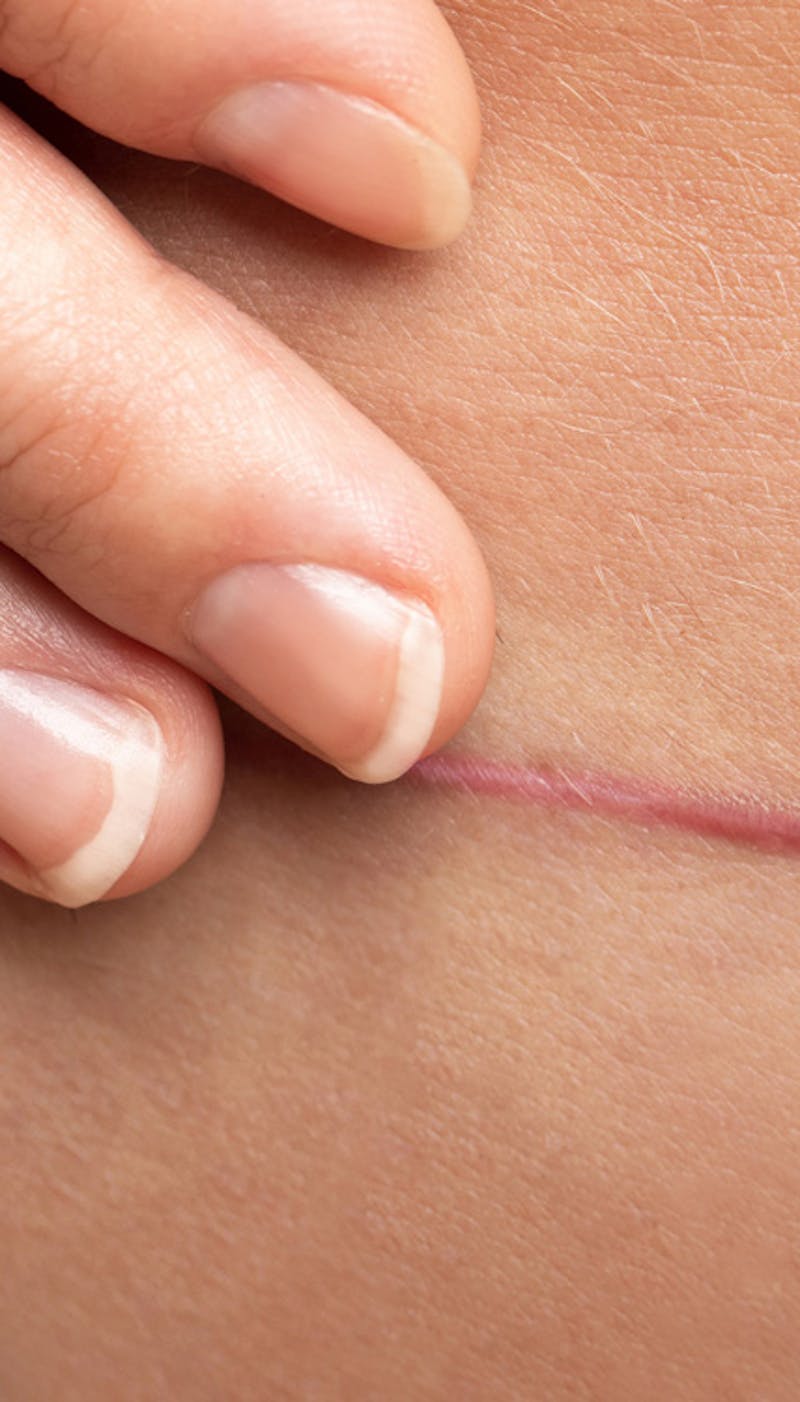
When it comes to stages of healing, there are three that surgical scars go through: the inflammatory, proliferative, and remodeling stage.1. Inflammatory StageThis is the stage immediately after surgery. It only lasts for a few days. During this time, bleeding and oozing will usually stop and white blood cells travel to the incision sight in order to ward off infection. While this is happening, the incision will appear red and swollen.2. Proliferative StageThe next stage is the proliferative stage and it occurs over a few weeks. When it begins, skin-forming cells that produce collagen known as fibroblasts will gather at the incision site and start to bind the incision together. That process will pull the edges of the wound together and promote healing. This is when scars will appear thick and red, becoming very obvious. Many people are concerned about the appearance of their scars during this time period. However, stage two is only the second stage and it can last for up to six months.3. Remodeling StageThis is the final stage of the process and can take up to two years. During this time period, the scar that is red and raised will transition to a flat, thin scar which will usually fade over time and may not even be noticeable.Optimizing Healing
The biggest factor when it comes to healing is time. However, there are a few tips that you may want to know in order to keep your scars healthy and healing optimally.1. Use Silicone Tape for Body IncisionsFor incisions on your body, surgical tape will remain for about three weeks to provide support. If the incisions have healed at that time frame, it’s recommended to use silicone scar tape for another 12 weeks. This tape can be reapplied every 4-7 days. Not only will it provide support and prevent irritation, it also encourages healing and collagen restructuring. After three months are over, you can continue with the tape or use a silicone scar gel daily for the first 1-2 years.2. Use Silicone Scar Gel for Facial IncisionsIf you’ve had a facelift or other facial procedures, the surgeon won’t apply tape to the incisions. You’ll initially use an antibiotic ointment to avoid infection risk. After it’s healed, many surgeons will suggest using a silicone scar gel daily. Applying this daily for the two years after your surgery will ensure scars heal to be flat and soft.Avoiding Scar-Promoting Products
Scars are sensitive when they begin to heal so using products that are irritating or stimulatory can impact the long-term healing and appearance. There are a few tips that you should use to avoid running into any problems.- Essential oils- even when diluted, they can irritate or burn skin.
- Bleaching or skin lightening products- these may cause patchy skin appearance and even delay wound healing
- Homemade body oils- some ingredients in these may cause your skin to be sensitive to the sun and cause it to burn or blister
- Products with fragrances- these may lead to rashes and irritate the skin.